 Facebook reminds us of birthdays while the office bulletin board or radio ads tells us about important holidays and festivals. But there is very little that happens, on an individual level, on the days and dates dedicated to the betterment of the planet. The media and concerned NGOs raise awareness across various touch-points but there is no way things will change if they do their bit, but we don’t.
So pull out your iphones, androids, laptop widgets or pocket calendars (if some of you still have one) and mark the following dates. Closer to time, share it on your family whatsapp groups and social media walls. If the entire country comes together to make a small change even on a single day, 100crore actions can surely change the destiny of the planet.
Ready to make a note?
World Car-free Day | 22ndSeptember
Q. What is it?
A. World Car-free day is an annual, worldwide event, which urges people to support the planet by leaving their cars in their garages and using public transport for a day. People are encouraged to walk to shorter distances, take the public transport, cycle to work or even taxi-pool to their desired destination. In some countries, work-from-home is permitted on this day. The primary goal of celebrating this day is to reduce the number of cars and the traffic on the streets and give the earth a day off from breathing toxic gases. This noble day is celebrated in 46 countries and over 2000 cities.
Q. How did it originate?
A. The people of Netherlands and Belgium were the first ones to leave their cars behind to celebrate car-free Sundays way back in 1956. For two months, no one drove their cars on Sundays. Later, however, instead of it being a weekly event, the Car-free Day evolved into a yearly programme. It is now celebrated on September 22, across the world.
Q. How can you contribute?
A.This one is a no-brainer. You can simply leave your car behind and take the public transport. Alternately, you can spread the word among your friends and family and encourage them to do the same. While a dedicated day in a year is a great idea, you can also use this day as a starting point and pledge giving up your car on the 22d of every month. Everyone deserves a day off in a month. Be it your car, or the planet.
Earth Day | 22ndApril
Q. What is it?
A. One of the more popular days, Earth day is celebrated to support and protect the environment. Unlike No-car today, this one is not marked by a single act but comprises of various events across the world in more than 193 countries, all revolving around the cause of the Earth. Besides events, demonstrations, conferences and awareness campaigns that are done on a large scale – individuals too celebrate the day in their own way, through little acts of awareness towards the planet. The day, now being celebrated for a long time, pumped by media campaigns has slowly penetrated into public consciousness.
Q. How did it originate?
A. Earth Day was US Senator Gaylord Nelson’s brainchild and it came into action on April 22, 1970. On this day, 20 million American citizens turned into planet activists, took to the streets and spread the message of a sustainable environment. Colleges and universities did their bit by raising their voice against the consistent damage to the earth. These were joined by emerging environmental activists who were already fighting against oil spills, polluting factories and power plants, raw sewage, toxic dumps, pesticides, freeways, the loss of wilderness, and the extinction of wildlife. A revolution of sorts, Earth day slowly spread across the world and today, is celebrated by more than a billion people every year.
Q. How can you contribute?
A. You can simply spend the whole day in awareness of the earth; with an intention to ensure that every action you take is in favour of the planet you inhabit. Small things like closing the tap while you are brushing your teeth, not taking the car to work, choosing an organic salad over a burger that carries not just extra mayo but also huge carbon footprint, saving electricity by unhooking the plug when your phones and laptops are charged, purchasing a small plant on your way back from work, giving up TV for a day, and doing a twenty minute cleanup to ensure your home is plastic free.
International World Bicycle Day | June
Q. What is it?
A. World Bicycle Day recognises and celebrates the bicycle as a clean and environmentally fit mode of transport – one that is not just conducive to health but is also friendly on the pocket. Its sustainable nature has earned it a day of honour and on this day, people across the world can be seen riding this great example of urban mobility and putting a day’s brake on pollution.
Q. How did it originate?
A. Professor of Sociology and advocate of issue related to the environment and climate change, Leszek Sibilski led a campaign to promote a UN Resolution for World Bicycle Day. He gained support from countries across the world, which eventually led to the United Nations General Assembly declaring 3 June as International World Bicycle Day.
Q. How can you contribute?
A. In 2018, Delhi and Bangalore celebrated this day which huge enthusiasm. While the national capital saw a sea of cyclists (about 10,000) take to the streets on the Sunday morning to mark this important day, Bangalore wasn’t far behind. The Bicycle Mayor of Bangalore, Sathya Sankaran led the way with 100 cyclists covering 10km on their cycles. This year, you can either look up major city events or bring out your bicycle and explore your neighbourhood – the choice is yours.
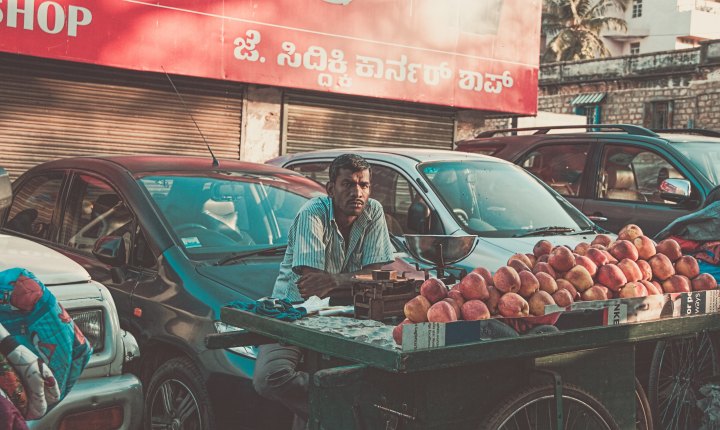 Shyam would stop his cart or thela under an old lady’s home in Delhi every single day, singing names of fresh vegetables. Rhymingaaloowith kachalu,gobi with mooli, creating his own unique jingles. The old lady would come into the balcony and drop a basket attached to a little rope from above. She would tell Shyam what she wanted, he would measure the vegetables while engaging in loud banter, after which she would pull up the rope. It always looked like she was pulling vegetables out of a well. After checking the vegetables, the old lady would drop the basket again; Shyam would collect his money, and push the basket back. He would leave, singing names of fresh vegetables. Pushing his cart through the narrow lanes.
 Question.What’s worse than a terrible nightmare? Answer.Waking up to the news of a bus, train or an auto rickshaw strike. News of this nature is always followed by panic and while we are unable to look beyond our own inconvenience on that given day, fact is – a public transport strike effects everyone in its own distinct way. From a house-help to a peon, from a young corporate worker to a retired old gentleman, from the roads to the planet – nobody escapes the repercussions of this shutdown. While it’s not new to read about such strikes in the newspaper and make eleventh hour arrangements, what’s bothersome is the current frequency of such halts. We can blame the constant occurrence on the advent of ride-sharing transport companies or the mismanagement of the government – either way the common men, women and children suffer.
 Some only survived in paintings, museums, history books and movies. While some are still conspicuous by their presence in big and small cities – part of the milieu, culture and even traffic jam. In no uncertain terms, we are referring to human-powered transport. Of course there are valid debates that shed light on the cruelty meted out to humans that lug this nature of transport, but there are also two significant aspects that cant be denied. (a) The dignified employment it provides (b) The sustainable, pollution-free nature of this transport and its contribution in maintaining earth’s ecological balance.
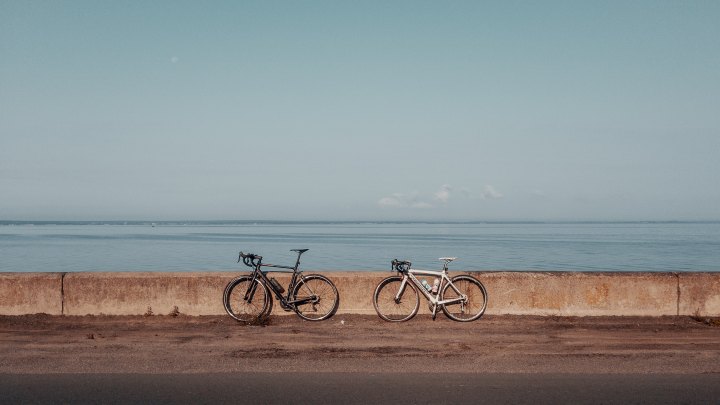 When you think of an island, you think of long stretches of the white shore; you picture sea shells strewn about, you imagine waves crashing against rocks, you dream of exotic fruits growing on trees, and yes, the big one – isolation. But not all islands offer such vistas or such space. Take the island city of Mumbai, for example. With a population touching 24 million, with 700 new vehicles hitting the roads daily, the absence of bus lines and bike lanes, unending metro construction and the newly commissioned coastal road work – Mumbai is anything but an island you’d like to be stranded on. Or cycling through. Right?
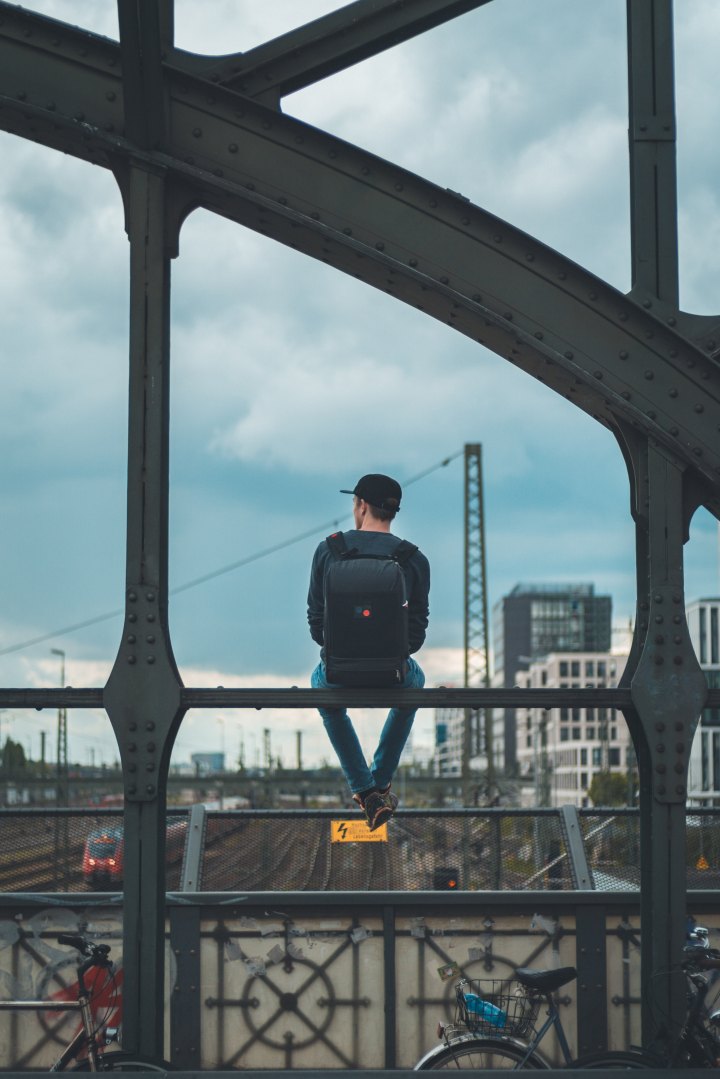 A day without posting on social media. A week’s dinner minus carbohydrates. A phone-less weekend. A TV-free month. Giving up the everyday elevator to take the stairs. Switching from 11am lattes to 11am coconut water. Trading three hours of the internet for three hours of a good paperback.
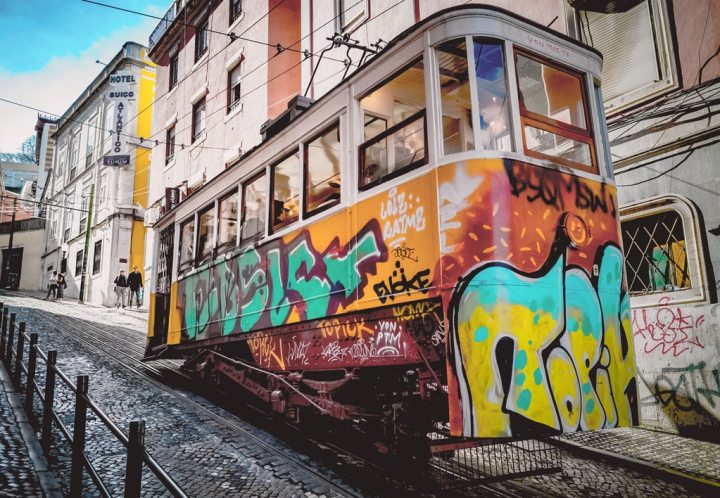 Champions of the environment and lovers of global warming documentaries are thoroughly aware of Earth’s ailing health. Not just environmental activists but even the average person on the road has a bad feeling about the planet. In far off lands, ‘melting of glaciers’ and ‘erratic weather’ closer to home – let’s just say, the signs of doom are many.
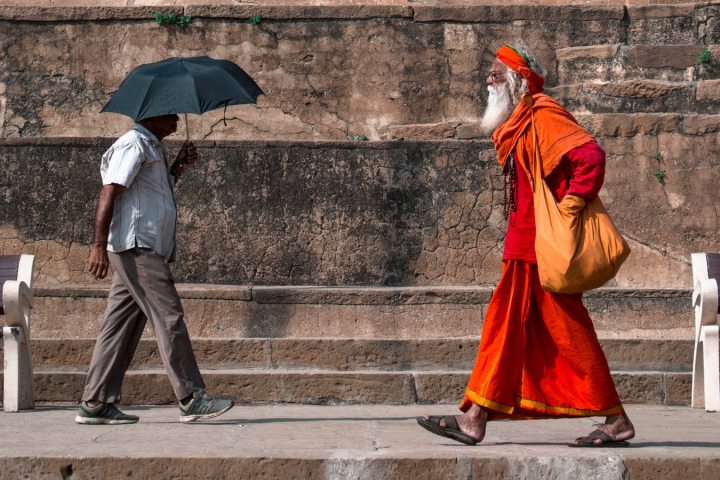 This time, let’s begin with a small exercise. First, think of some of the biggest cities in the world. Now, consider the first image that comes to mind.
 Indians are a dichotomous lot. On one hand – warm, hospitable and sociable. And on the other hand, hugely classist and racist. And that’s not all; we are also equally vocal about both aspects of our personality. Land up at a party in New Delhi or a Mall in Chandigarh and it’s not unusual to overhear a conversation of the following nature:
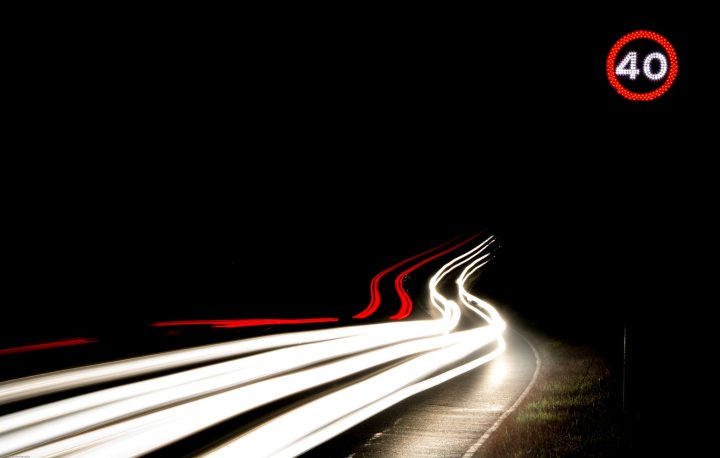 Picture this. It’s 2035; you have just made it to Mars after a long journey. You’re visiting your scientist friend who shifted to the red planet in 2030 when the first spacecraft left from Earth. Frozen water available under the surface of Mars has been transformed into regular refrigerated water by now and is being served to you in an oddly shaped glass (come on, it’s Mars, things must look more techie than Earth). Your friend also greets you with potato fritters, or potato mash if you please. Both of you take a walk, there are no vehicles yet and instead of encountering the famed Mars dust storms, you enjoy the warm breeze of another planet.
 earthaware